Murder Mystery Events at Oatlands Park Hotel
Location: Weybridge, Surrey
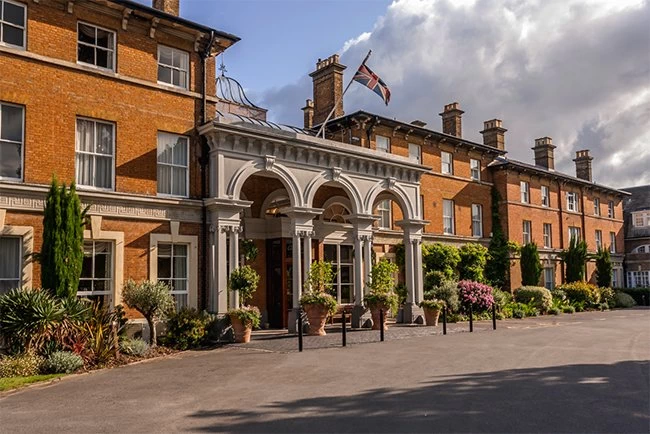
Oatlands Park Hotel is one of the finest 4-star hotels in Weybridge. Set amidst the splendour of manicured gardens, this hotel offers the best of breathtaking scenery and fine facilities. Only a 20 minute drive from London Heathrow airport, this hotel is a popular choice for relaxing getaways, business and weddings.
This privately owned historic country house became a hotel in 1856 and stands on the site of the grand Royal Palaces of Henry VIII and Elizabeth I. The great cedar tree at the front of the hotel was planted by Charles I to celebrate the birth of his son, Henry of Oatlands.
* Traditional country house charm
* Majestic 18th Century Mansion
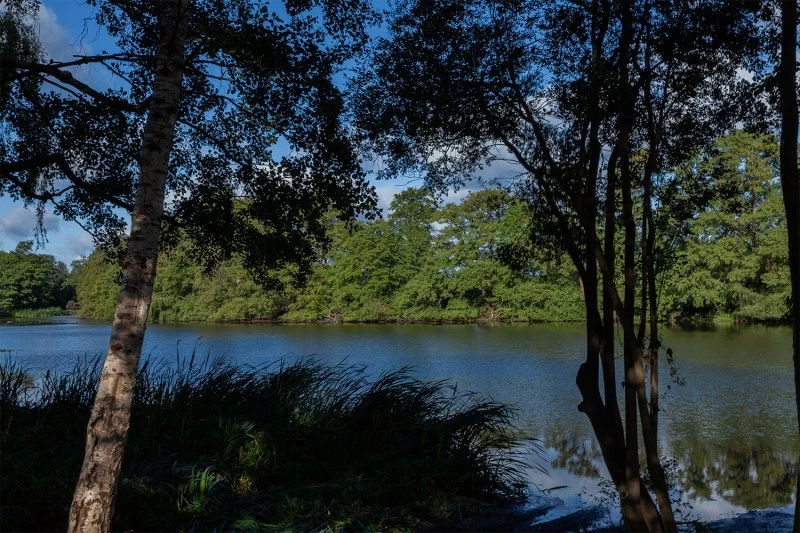
* Extensive private gardens
* 144 luxurious bedrooms
* Leisure facilities
* 9 Hole golf course, Tennis Court and Gym
* Meeting and conference facilities for up to 300
* WiFi and Broadband throughout
For more information about the hotel please visit their web site
Saturday 6th March 2027
Saturday 23rd October 2027
† These prices are based on two people sharing a standard double or twin bedroom
History
The magnificent Oatlands Park Hotel you enjoy today, was built at the turn of the 18th Century on the Oatlands Estate, which has a long and varied history.
Originally the site of a grand Royal Tudor Palace, the Oatlands Estate in Surrey has been home to the Kings and Queens of England, played host to Emperors and Earls, and been immortalised in both prose and paint, throughout the centuries. The current Hotel was built on the footprint of a large mansion which burned down in the late 1700s, but had dated back to the 15th Century. A Parliamentary Survey of the period mentions a house which sat in the grounds of a great royal palace, on the Oatlands Estate.
Henry VIII erected the palace for his new Queen, Anne of Cleves. Although a worthy rival to his other riverside house at Hampton Court, the imposing red brick building with its gateways, octagonal towers and open courts, Oatlands was only visited occasionally by the King. And the intended resident, Anne, probably never lived there during the short time she was his wife, but it is thought Henry secretly married his next Queen, Anne's young Lady-in-Waiting, Catherine Howard, in the Palace chapel.
The palace was more popular with his daughter, Queen Elizabeth I, who spent a lot of time and money making the building more comfortable for her court to use as a hunting lodge. Her successor, James I and his Queen, Anne of Denmark, also favoured the palace at Oatlands and they too spent money reconstructing the building. They founded "The Kings Silk Works" where silk worms were bred to provide silk for weaving.
During his residency at the palace, James's son King Charles I appointed a man called John Tradescant the Elder as "Keeper of His Majesty's Gardens, Vines and Silkworms" at a salary of &£100 per annum. In this role, he bought rare plants from around the globe, and was responsible for England's first museum "Tradescants Ark". His son succeeded him in the role on his death.
Charles's son Henry, 1st Duke of Gloucester was born at Oatlands and the ancient Cedar tree which stands beside the main drive of the Hotel today, was one of the first to be imported to this country from the Lebanon, and is said to have been planted to honour Henry's birth.
The palace fell out of favour and was demolished in the mid 1600s during Oliver Cromwell's short-lived reign. The materials from it were used to build the locks and bridges of the Wey Navigation Canal, which runs from Guildford to Weybridge and was the first canal in England. However, the house on the estate escaped demolition, as it was more cost effective to let it out, than to tear it down and sell off the materials.
Over the next 150 years, the house and grounds were remodelled, by a string of wealthy tenants. You can still see the coat of arms of one, the Duke of Newcastle, on the main gates at the entrance to the Hotel. Another, the Duchess of York, loved animals so much that she created a Dogs Cemetery for her beloved pets when they passed away. The headstones celebrating the virtues of her four-legged friends are now set in the Hotel lawn near the Lounge Bar patio. A kind and generous woman, the Duchess was very popular with the local population and on her death, a monument was erected in her memory at the bottom of Monument Hill in Weybridge, outside The Ship Inn.
Sadly the house burnt down in 1794, and was rebuilt in the Gothic style, by her husband the Duke, who went on to acquire the Estate Freehold. On his death in 1827, the property was sold to a young Regency dandy and gambler called Edward Hughes Ball Hughes, who was popularly known as "The Golden Ball". He spent his honeymoon at Oatlands, before pulling down large parts of the existing building and making many alterations to what was left.
Click on a photo below to see the full size image
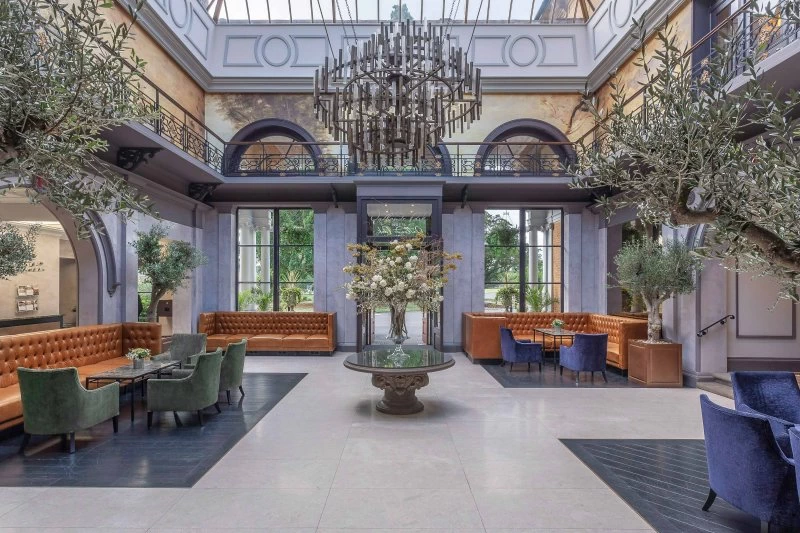
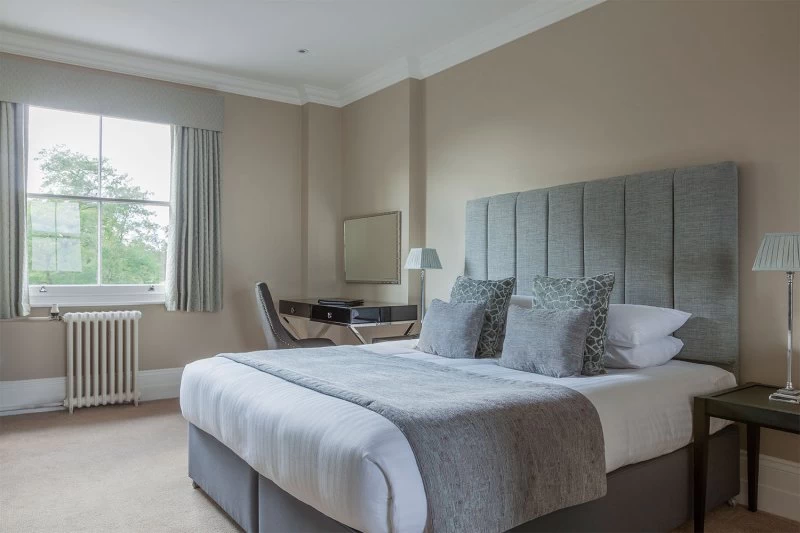
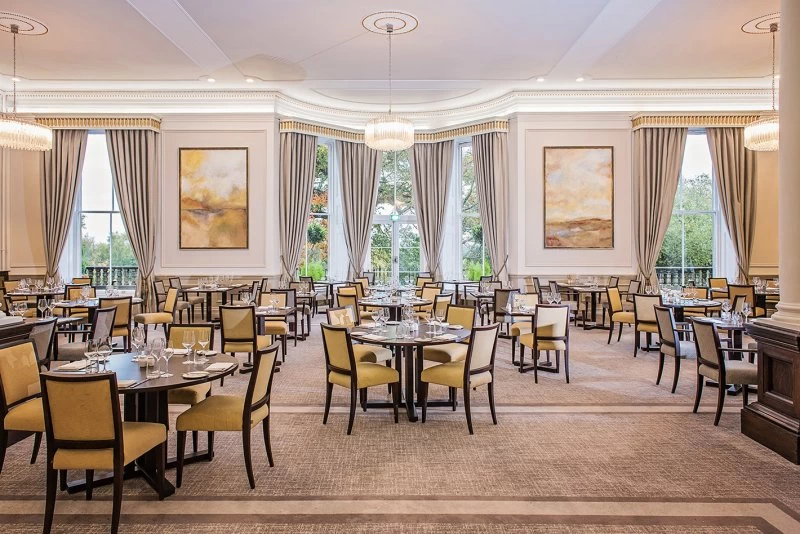
Venue Facilities
* The Broadwater Restaurant
* Bar Lounge
* Tennis Court
* Gym
* 9 hole golf course
Bedroom Facilities
* Comfortable beds
* En suite bathrooms
* Complimentary broadband internet access
* Flat screen satellite television
* Large desk and chairs
* Trouser press
* Iron and ironing board
* Tea and coffee making facilities
* Hairdryer
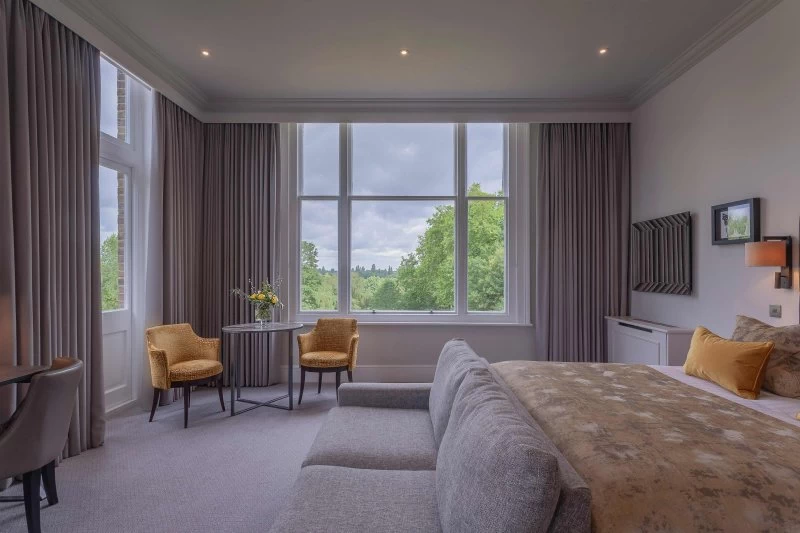
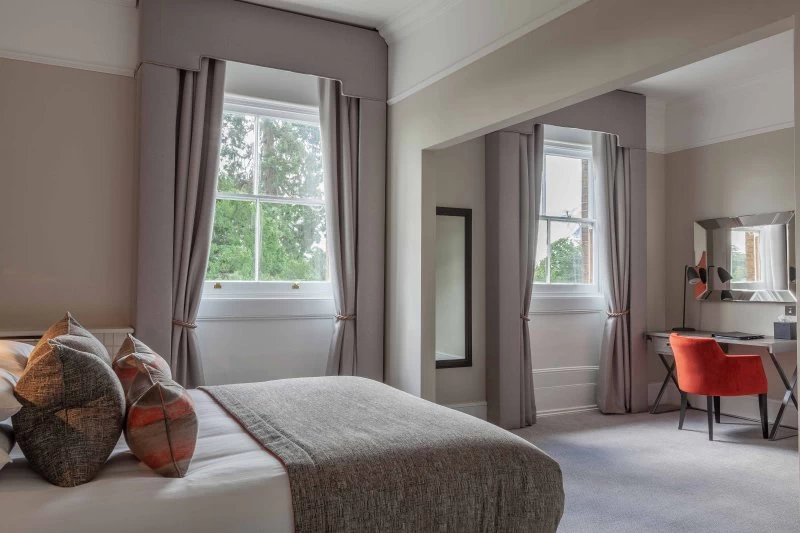
* Views of gardens and wooded parkland
* Direct dial telephone
* Hospitality tray
Local Attractions
* Hampton Court Palace
* Thorpe Park
* Brooklands Museum
* Mercedes Benz World
* Wisley Gardens